Travelers Tips Cuba: Currency, Accommodation, Sim Cards, Taxi’s etc.
Leave a commentJuly 30, 2024 by vivalafiona
Cuba is a timeless and unique travel destination, best enjoyed with an open mind, a spirit of adventure and some pre-planning. Organising where to stay, transport and a list of things you want to do and see before you arrive is a very good idea if you are travelling for just a week or two. If you have the time and inclination to wander around the island you can enjoy a more flexible itinerary. You can now apply for a Cuban E-visa which will allow you to stay for up to 90 consecutive days. Important to note that Cuba is still a cash economy where credit cards are only accepted in state run hotels and tour agencies. If you want to avoid the need to carry a lot of cash with you it is best to book your accommodation, Cuban sim card, car hire, bus tickets and long distance taxi’s online before you travel.
When planning a trip to Cuba it is important to understand that cash (Euro or USD) is more important than your credit card. Why? Because cash is still king in the Cuban economy. Private businesses only accept cash. Taxi, restaurants, cafe’s, private tours, market stalls, artisans, musicians, bicycle taxi’s, food vendors, fruit stalls and B&B’s or Casa Particulars are cash only businesses. Most will accept USD$ and Euro, and some other hard/foreign currencies, as well as Cuban Pesos (CUP). I recommend bringing notes in small denominations which can be exchanged as required. The informal market is currently offering about 300 CUP for $1USD o 1 Euro as opposed to the official rate which is approximately 120 pesos.
Credit cards are accepted by State run and foreign owned hotels, resorts, shops, tour agencies, national parks and government buses whilst Cuban Pesos (CUP) are required for state run bars, restaurants and museums. CUP is also accepted by privately owned restaurants and bars, street vendors, taxi’s and bicycle taxi’s, markets, food stalls and B&B’s, although many private businesses prefer Euro or USD. The best rates for foreign currency are achieved by exchanging for CUP with locals rather than the banks or Hotels, preferably your B&B hosts or taxi drivers or tour guides. Please note the informal rate changes daily and may differ from city to city.
My tip is to buy a good money belt or crossbody/sling bag, carry Euro or USD’s in small denominations and include a credit card, that is not affiliated with any US Bank. Make sure you notify your bank you are travelling to Cuba. For emergencies or extra cash there are ATM’s around the island offering CUP at the official exchange rate.
Accommodation, long distance taxi travel, car hire, bus tickets and sim cards can all be reserved and paid for before you arrive. Most Cubans have access to either a mobile or fixed internet service now and many private operators and state run businesses are listed on travel booking sites and social media pages. Some have developed their own websites so you can book direct. The likes of Airbnb, Homestay and Hostelworld have been a perfect fit for the Casa Particular (Bed and Breakfast) in Cuba, where staying with the locals in private homes or apartments has been a popular alternative to the all inclusive hotels and resorts since the late 1990’s. Other sources for finding a Casa Particular include Trip Advisor, Cuba Junky, Google Maps and Maps.me
My tip for those on a flexible itinerary is to ask your host. Before the internet Casa Particular owners would recommend and reserve places to stay in other towns and cities. Each Casa owner had a network of contacts based on personal relationships and word of mouth recommendations from travellers, and some still do. Casa owners will also confirm bookings and arrival times with your future hosts if required.
Please note that due to US sanctions, unless you have a reliable VPN, accessing booking sites such as Airbnb is difficult whilst in Cuba. You can send messages to hosts but you cannot make payments whilst in Cuba. If you wish to avoid paying for privately owned accommodation in cash book online before you depart for Cuba, or download a VPN. Some hosts, I believe, can accept a bank transfer payment. Others could ask you to pay your bill by purchasing items from the local supermarkets where only credit cards or Cuban MLC (foreign currency) cards are accepted. Meals and extra services can be paid for on Airbnb (if you have a VPN) as a special payment.
Visitors to Cuba can now purchase a Cuban sim card from https://www.etecsa.cu/en/visitors/cubaceltur. This can be collected from the airport when you arrive. It is highly recommended to load a VPN on your phone or device before you travel. Many bars and restaurants offer free wifi, and there is a reasonable 4G mobile data service with hot spots all over the island. Gigsky offers e-sims for Cuba.
My tip is to invest in a VPN https://www.01net.com/en/vpn/cuba/ and download all apps you might need before you arrive for example Maps.me, Translate, Airbnb
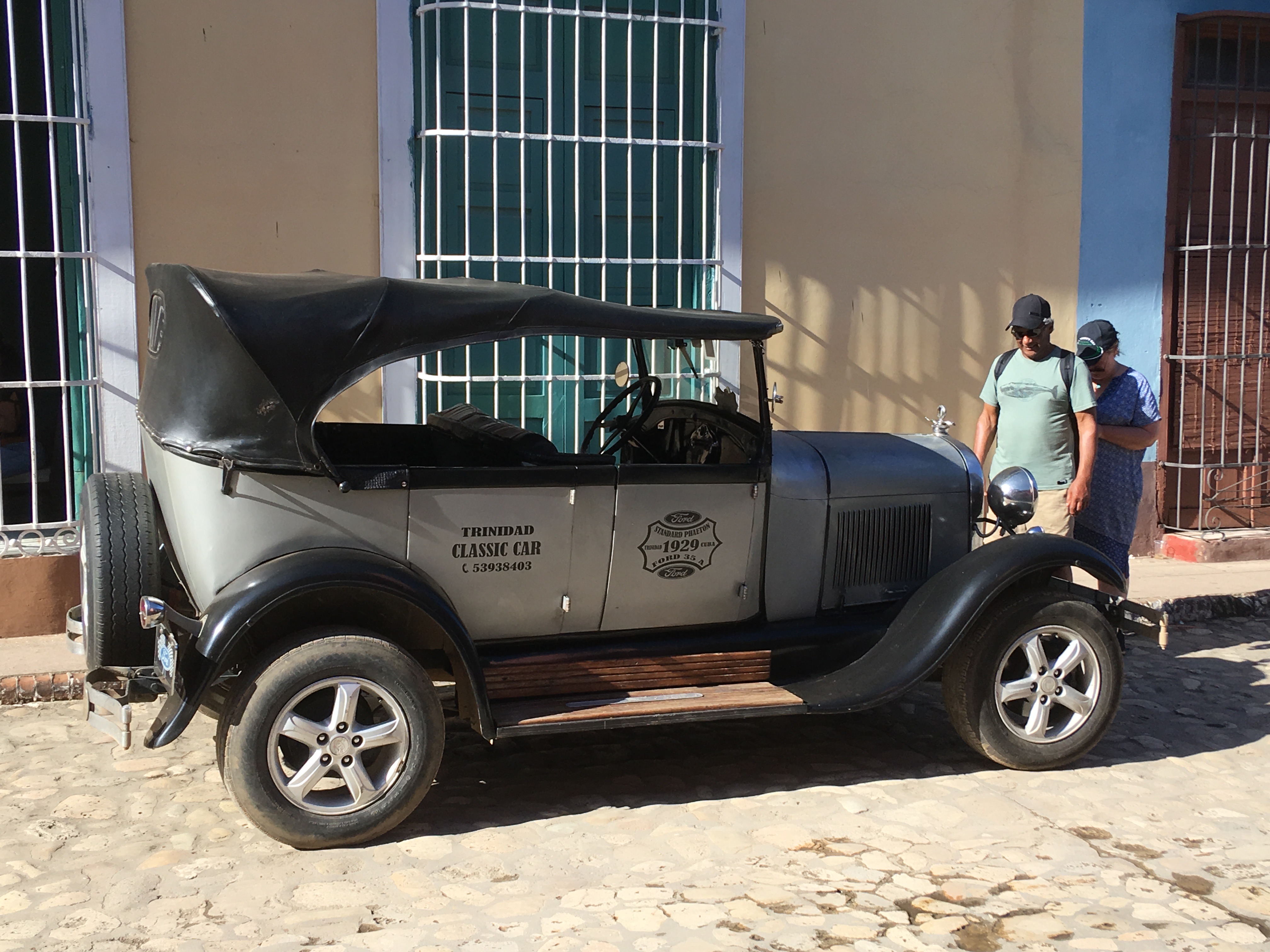
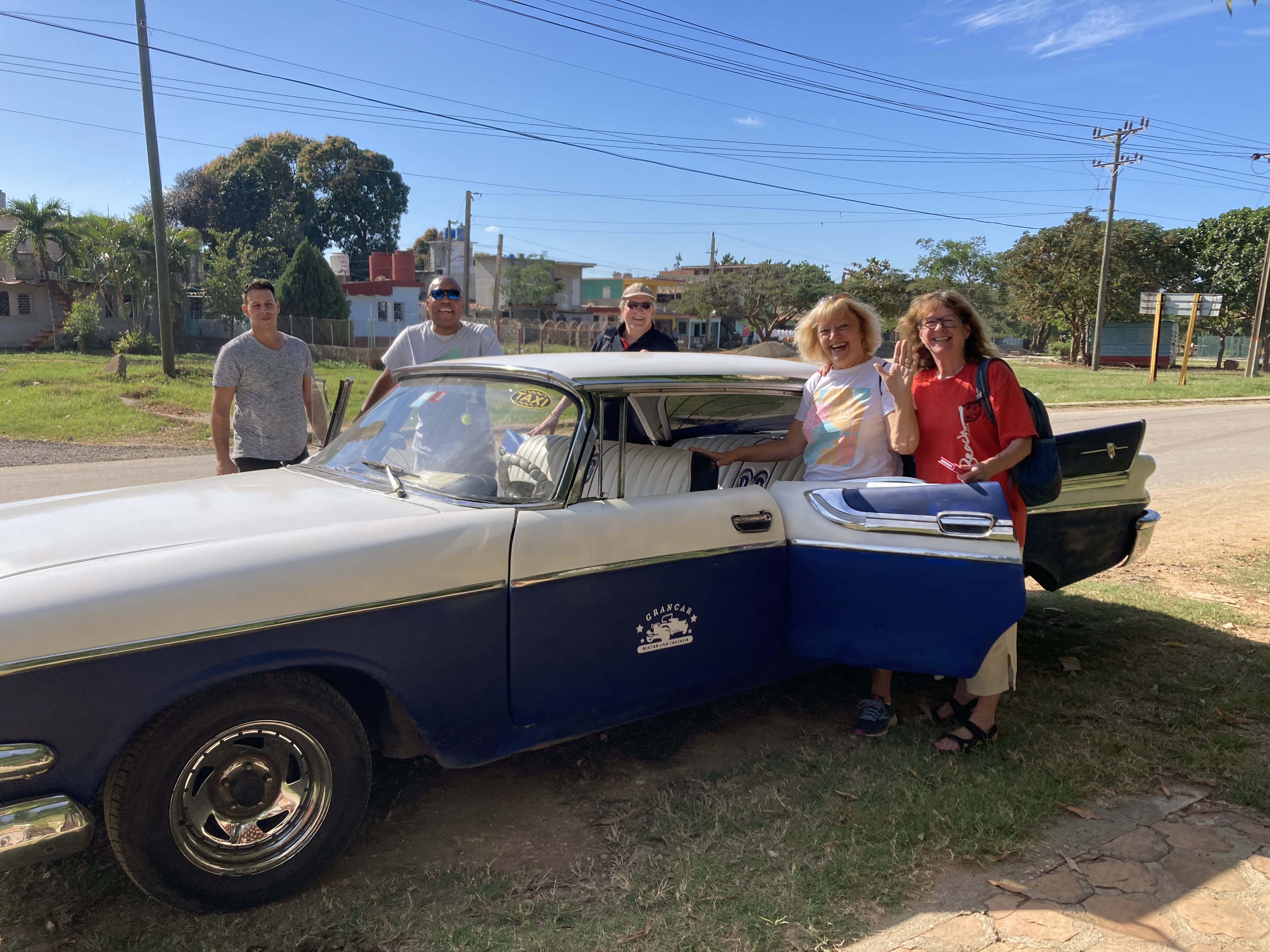
Travelling by taxi between major towns and cities and the airport can often be arranged by your Casa Particular host who can book an economic taxi collectivo’s (sharing with other travellers) or private taxi. This is a door to door service usually departing after breakfast or early afternoon. Travel time between Havana and Trinidad is 4 hours with a short break halfway. Havana to Vinales is 2.5 hours and Vinales to Trinidad is approx 7 hours. Trinidad to Cayo Santa Maria or Cayo Coco is approx 4 hours. Cienfuegos is 1 hour away from Trinidad and 3 hours from Havana and Playa Larga 2.5 hours in taxi from Havana and Trinidad. Payment in cash (USD or Euro or CUP) is required. If you prefer to pay by credit card I recommend https://taxivinalescuba.com/ but there are other online taxi companies to choose from. You can book bus tickets online with Viazul https://viazul.wetransp.com/ and sometimes you can organise tickets a few days before travel at the bus stations. Bus travel is slower due to a number of stops along the route. The journey to Trinidad from Havana takes approx 7 hours, departing at 3.00pm and arrives at 10.00pm, passing through Playa Larga, Playa Giron and Cienfuegos. Car hire must be arranged before you arrive in Cuba and petrol can be purchased by credit card at designated petrol stations around the island.
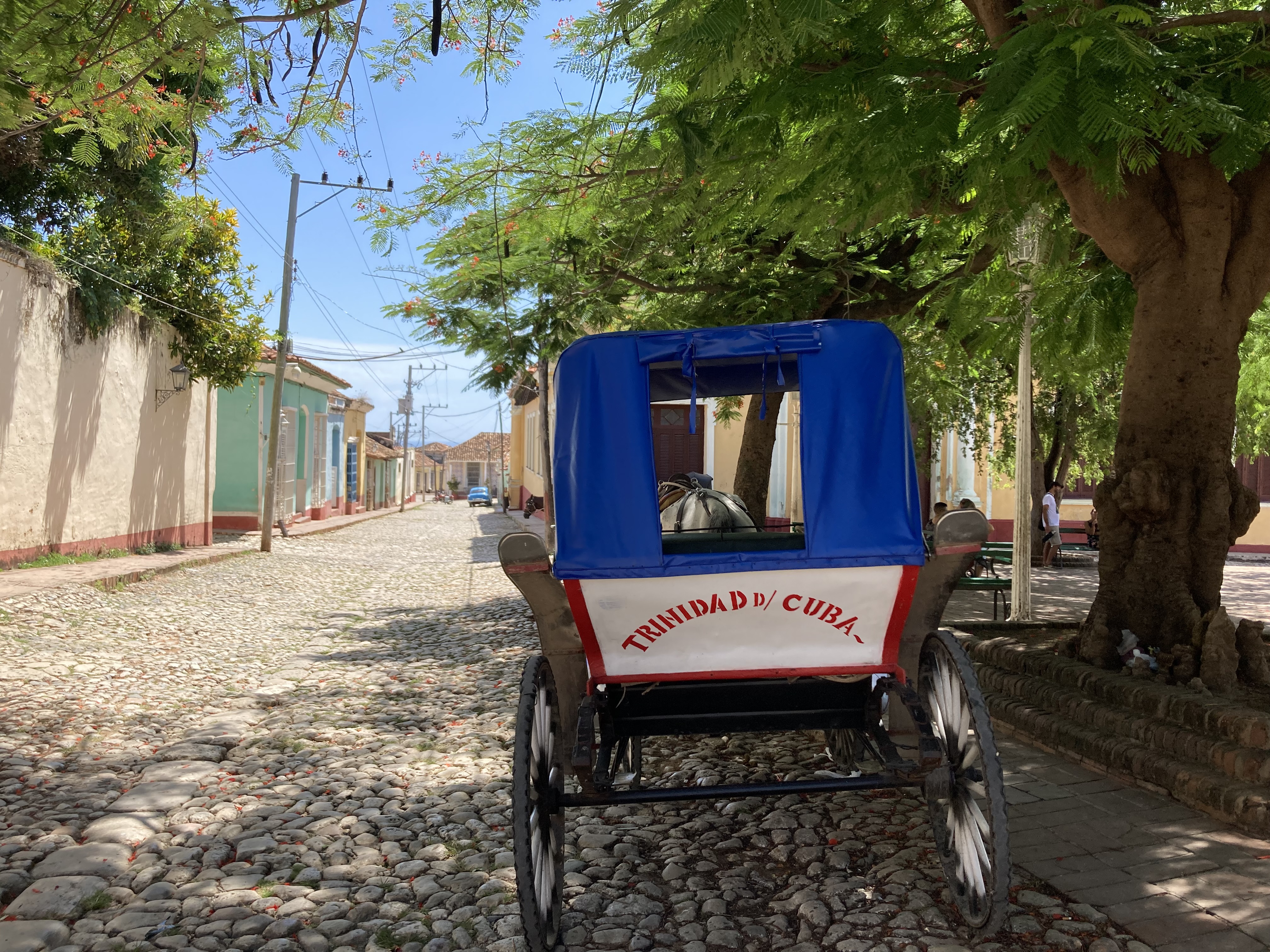
My tip is unless you are confident driver and want to explore outside of the major tourist centres then travelling in taxi colectivo’s or private taxi’s is more economical. Although there is very little traffic in Cuba you will share the road with Cuban’s cyclists, horseback riders, horse and cart and other slow vehicles. In rural areas you will find animals grazing on the side of the road which can be hazardous. It is best to avoid travelling at night because there are no street lights outside of urban areas and roads suffer from high levels of rainfall and lack of maintenance especially after the wet season. Bus travel is comfortable but slow and there is an added cost of getting to and from the bus station by either taxi or bicycle taxi. A
Once your travel plans are arranged take a look at my blog post 10 Things to Bring to Cuba





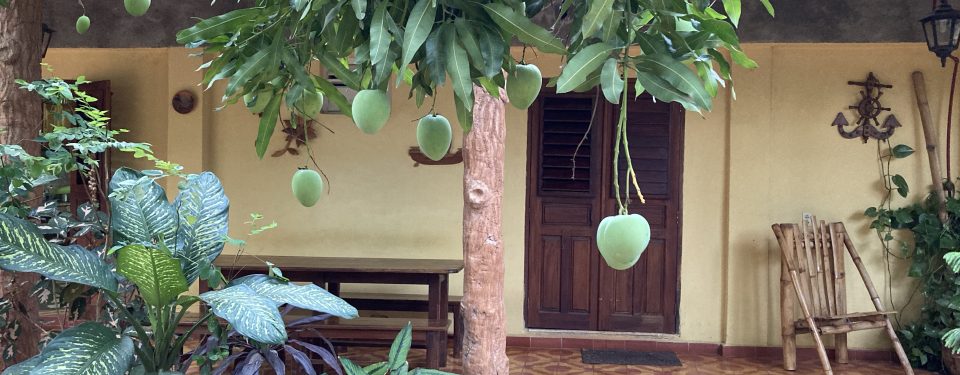
 Casa Los Mangos